

Impact Made From an Animal Welfare Internship in Costa Rica
“I wanted to immerse myself in a different culture, try a new way of life, and learn as much as I can in another country. I can definitely say I…

GAIN HANDS-ON EXPERIENCE IN SEA TURTLE CONSERVATION ON THE ICONIC COSTA RICAN COAST
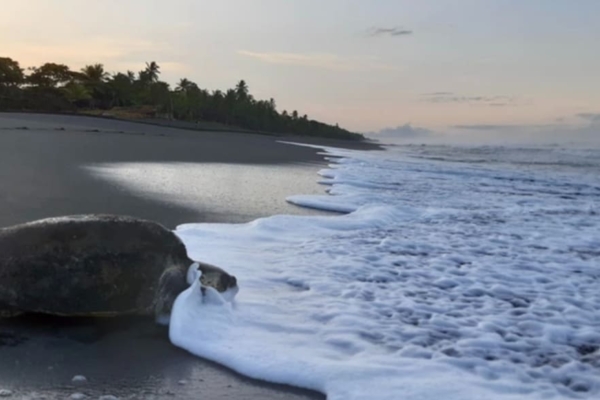
Travel to a tropical paradise along the shores of Costa Rica and work on the frontline of sea turtle conservation. This is a chance for aspiring conservationists and field researchers to join a highly-skilled, dedicated team and gain unparalleled experience in turtle conservation.
Based in one of the busiest stretches of the South Pacific Costa Rican coastlines for sea turtle activity, this organization is committed to bolstering protection of sea turtle beach habitats through a multi-layered approach with a special focus on community involvement. They have established a range of community-driven initiatives educating, empowering, and incentivizing locals to protect natural resources. All their work is underpinned by their independent research into needs of turtle conservation and its greatest threats.
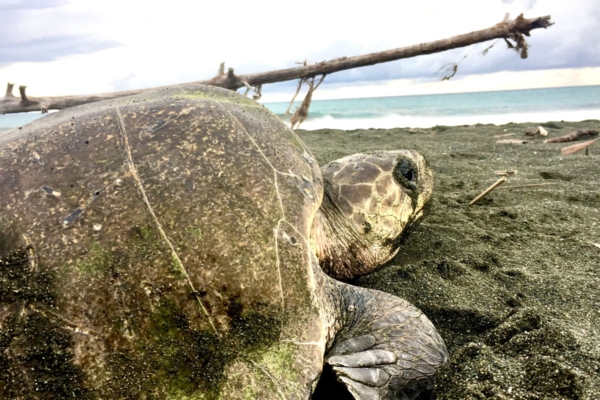
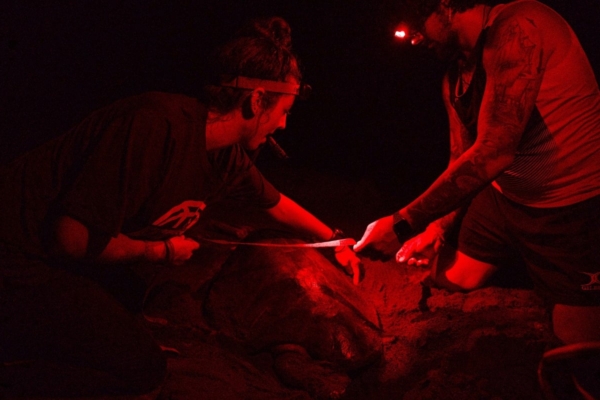
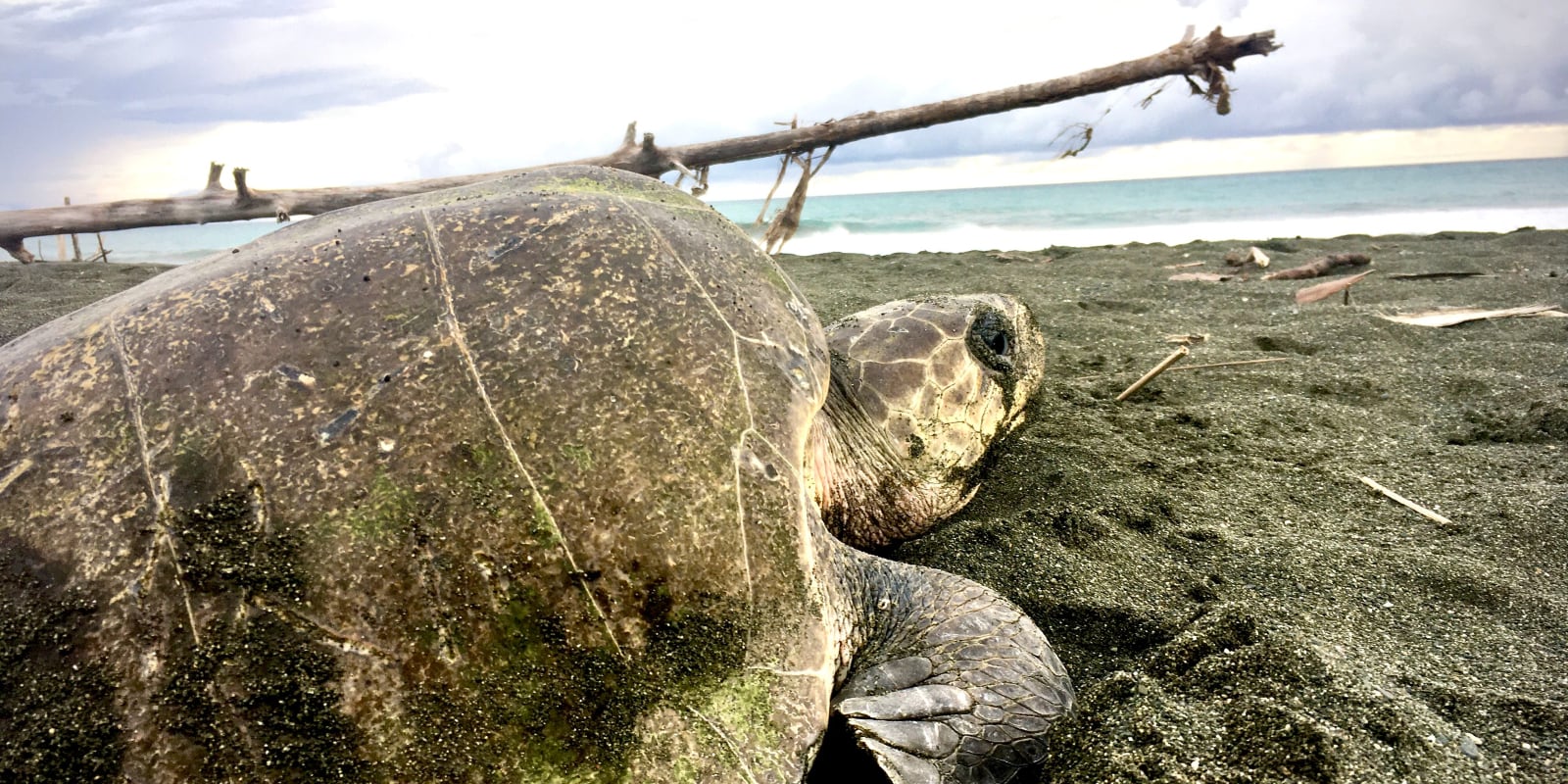
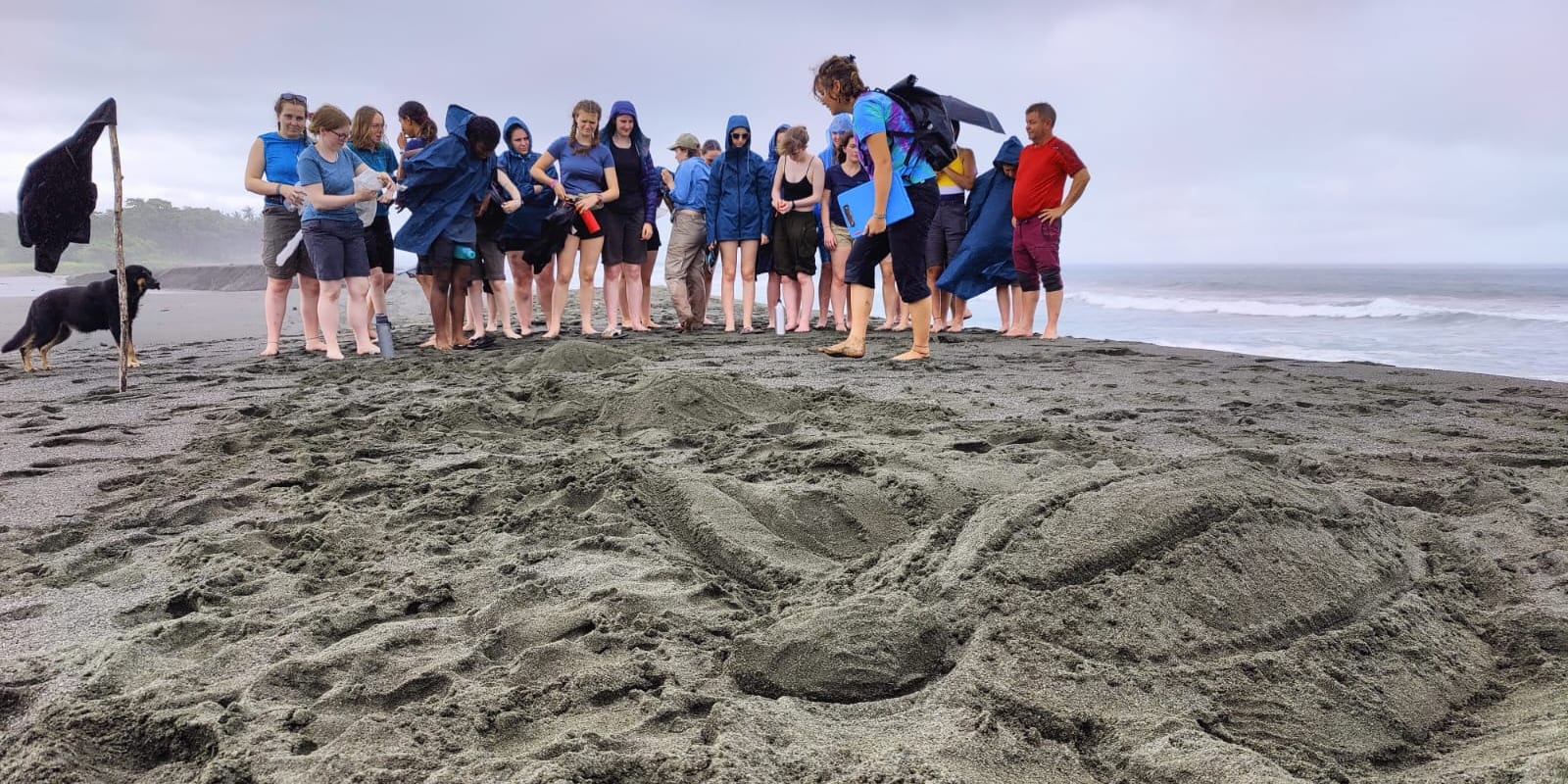
As a Sea Turtle Conservation intern, your role will be focused on supporting and maintaining their manifold conservation projects but with the option to orient your work more towards research and even devise your own research projects. You’ll receive training in data collection and in-field conservation research, developing extensive knowledge on sea turtles and their behavior. All the while, you’ll gain experience in a variety of conservation work including rescue and rehabilitation, habitat monitoring, and community outreach.
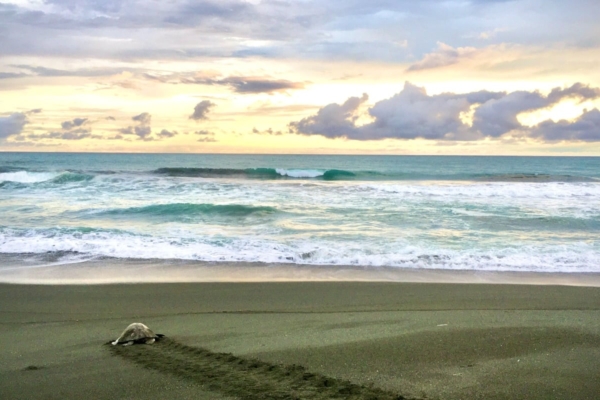
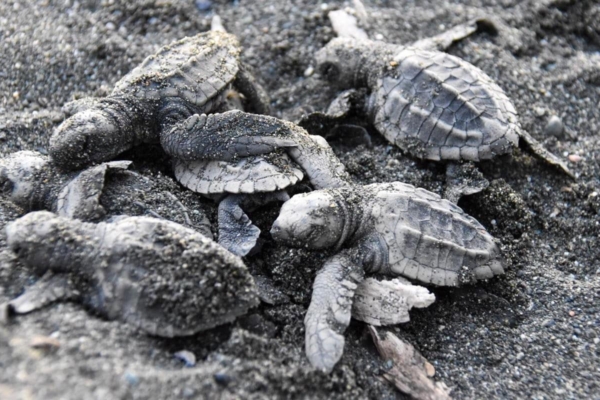
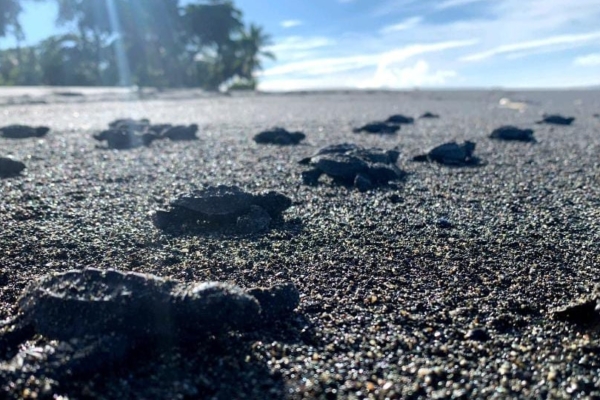
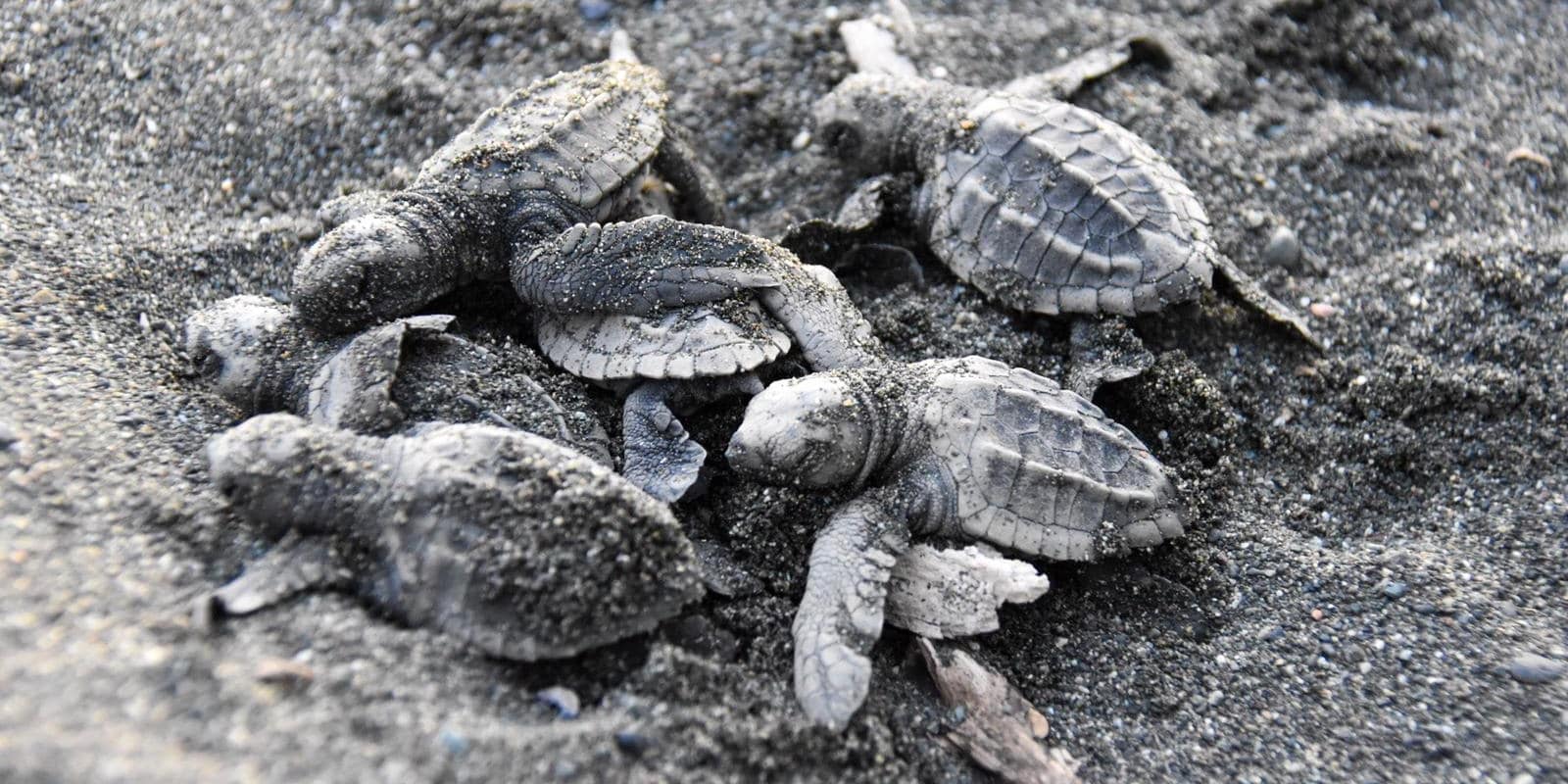
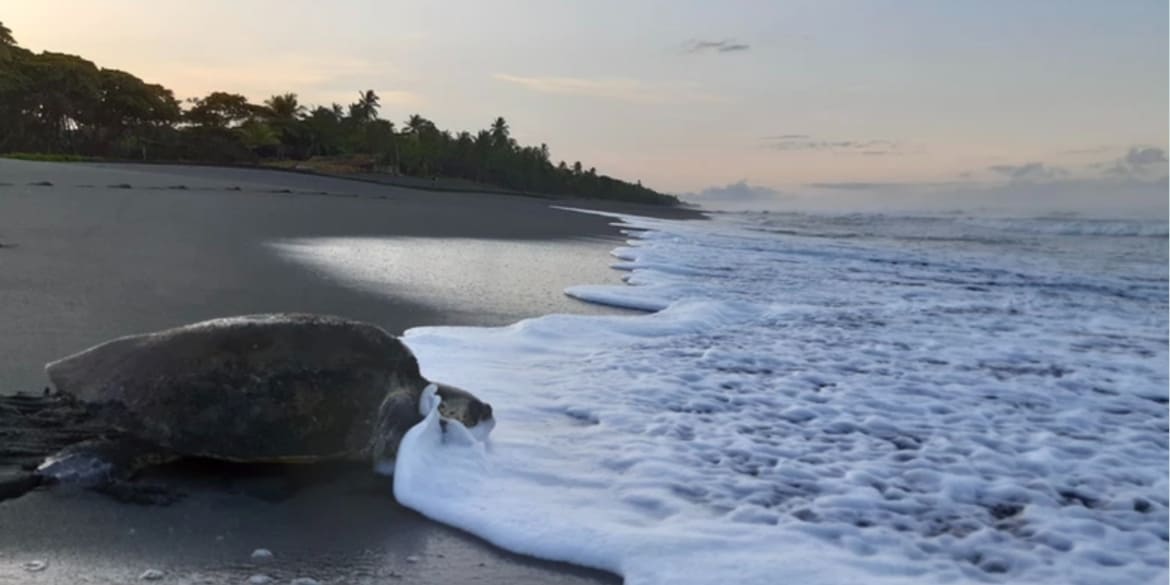
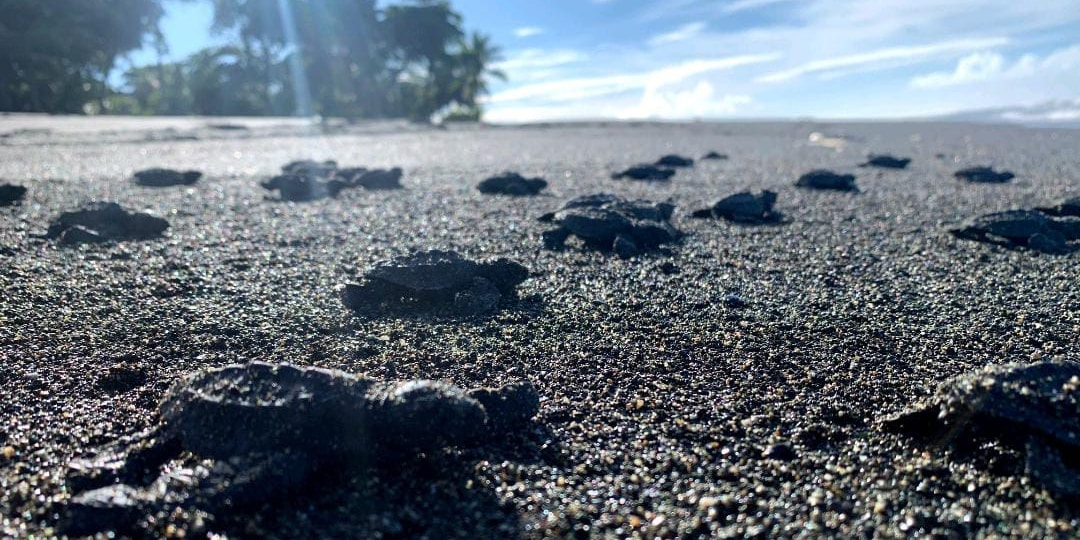
This fast growing organization works to protect turtle nesting beach habitats along the Osa Peninsula of Costa Rica. Established in 2018, they now manage an 8 kilometer stretch of coastline where they register over 7000 nests from which nearly 250,000 hatchlings travel to the ocean each year.
They take an all-rounded approach to their work with a heavy focus on community engagement and development. The majority of their many conservation projects are community-led and they have also developed a number of initiatives on the periphery of turtle conservation, such as marine plastic upcycling and female empowerment groups, that now provide locals with paid employment. At the core of their work is their independent research that fills information gaps in conservation science, influences local policy makers, and informs their educational community outreach programs.
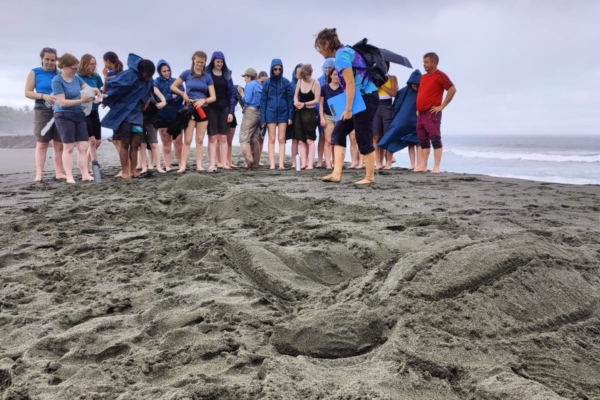
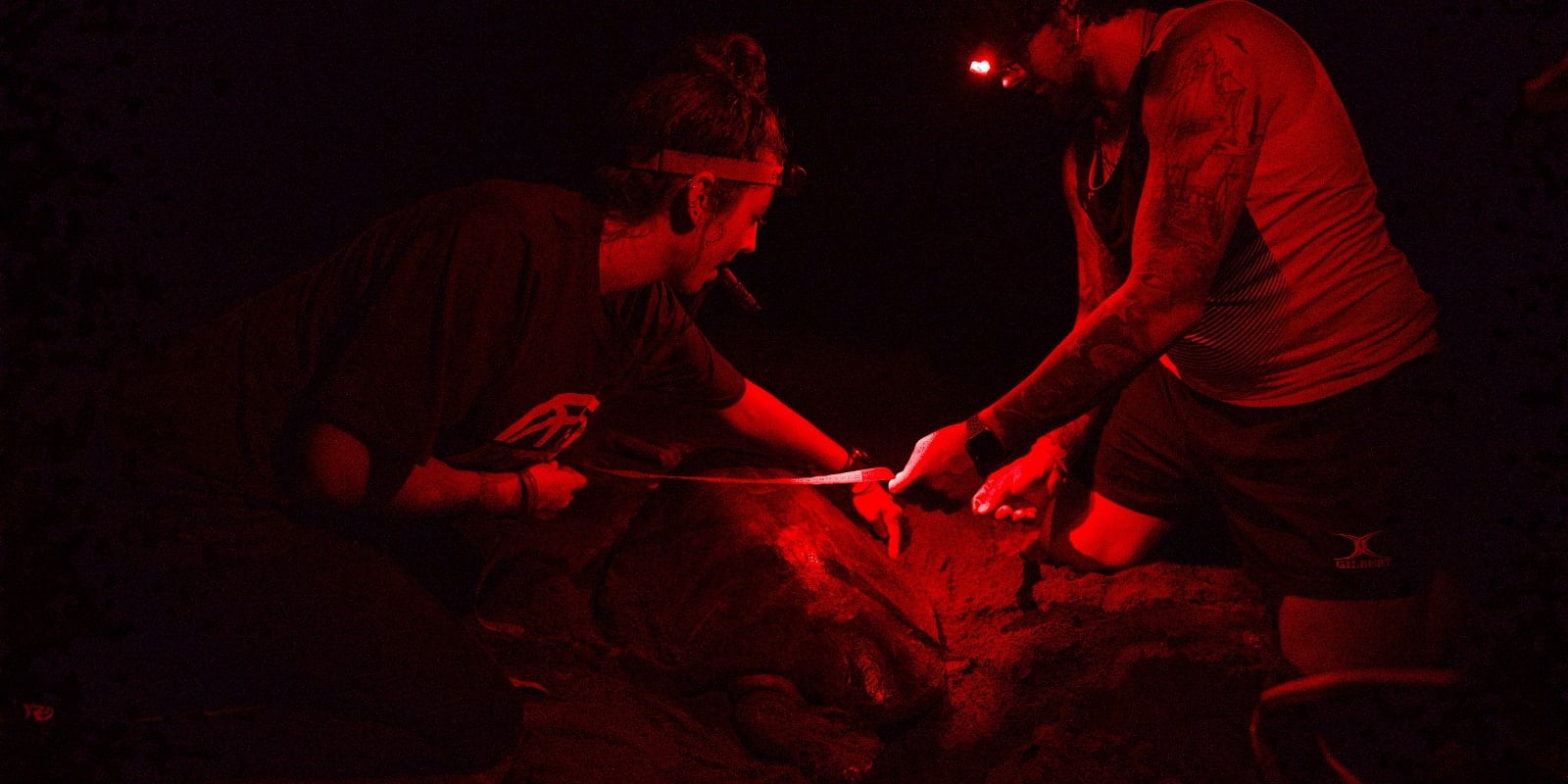
You can expect a great scope for variety in your work on this program. Some days will be spent on beach clean-ups and marine plastic upcycling projects, others days will be devoted to supporting turtle tagging or hatchery management, then you will also work on data-collection and habitat monitoring. On top of all this, there is an array of education and community outreach programs for you to involve yourself with.
Interns will stay at one of two base camps, each designed for minimal environmental impact. The camps are open to the natural surroundings and powered by basic solar panels, which provide lighting, intermittent Wifi, and a limited ability to charge appliances. Each has a kitchen, toilets, and showers. Sleeping quarters are in airy, semi-enclosed dormitories with bunk beds and mosquito nets, placing interns in the middle of nature and within earshot of the ocean.
Important Considerations
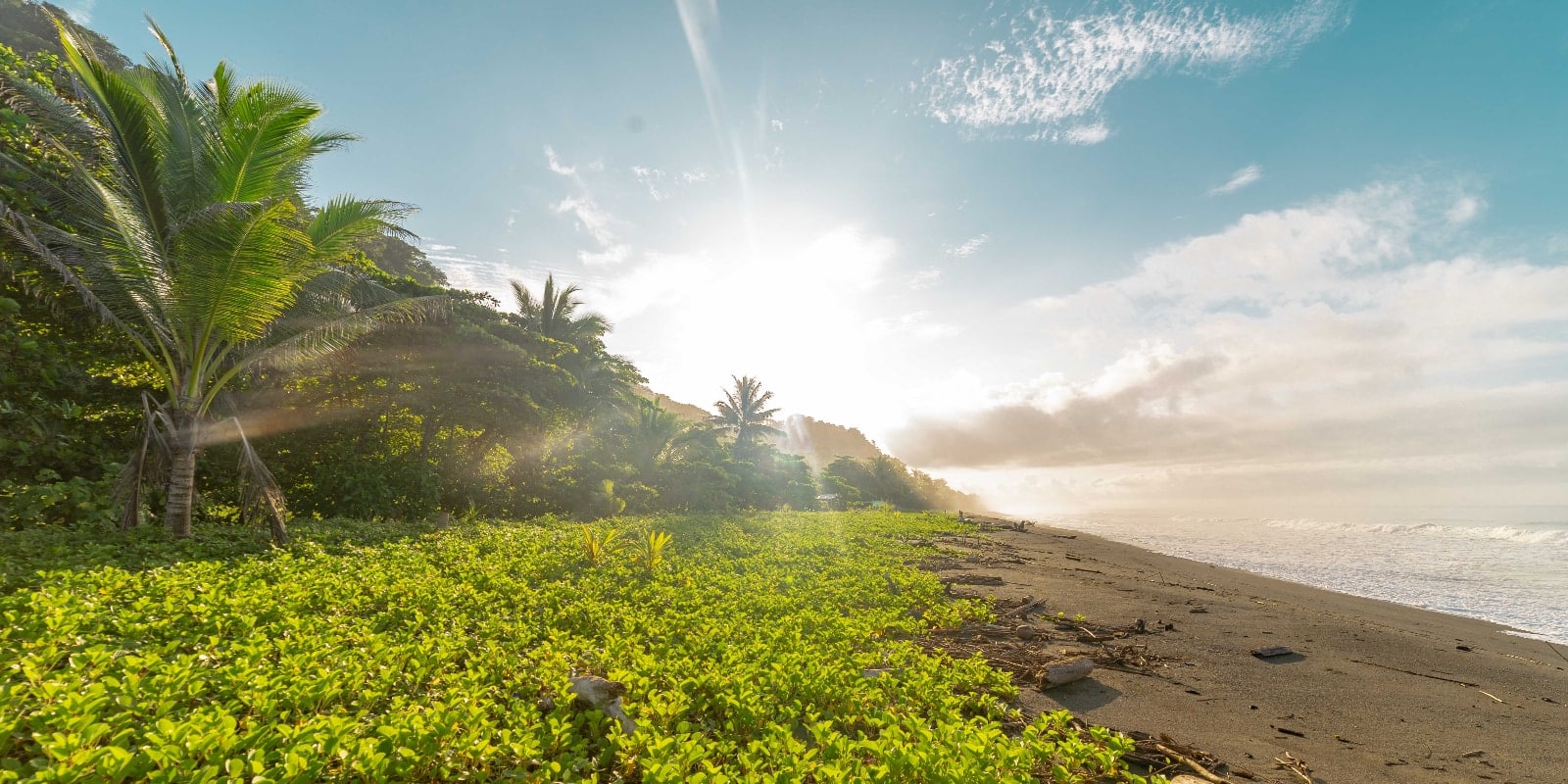
Beach Access: Both camps are located near the beach, suitable for games and wildlife viewing. However, these are not swimming beaches due to dangerous currents; safer swimming beaches are easily accessible on scheduled days off.
Language: Operations are bilingual (English and Spanish), with Spanish being the dominant language in the local setting. All essential briefings will be provided in English for non-Spanish speakers, who should request clarification if needed.
Solar Power: Solar power is the primary but not guaranteed energy source, as efficiency can vary with weather and maintenance. When available, power priority is given to essential staff and research operations. Personal device charging is permitted when capacity allows.
Climate: The tropical climate brings intense midday heat with no fans or air conditioning. Work schedules are planned for cooler periods, with rest advised during peak heat. Sudden, heavy rainfall is also common, requiring gear for both hot and wet conditions.
Isolation: The project sites are remote. The nearest town, Puerto Jiménez, can be up to a two-hour drive away with limited transport. No shops or supply facilities exist on-site, so all personal necessities must be brought upon arrival.
Make sure to visit your doctor and dentist for a check-up before your internship and to get all the recommended vaccines and/or medications necessary to stay healthy. Malaria risk is low, but consult your local health professional on whether or not to take any malaria medication.
Costa Rica is generally considered a safe travel destination, however you should always keep general safety precautions in mind. Keep track of your valuables, avoid wearing flashy/revealing clothing, always know how to return to your accommodation, only take trusted/recommended transportation options, do not explore off-site alone, and never go exploring after dark.
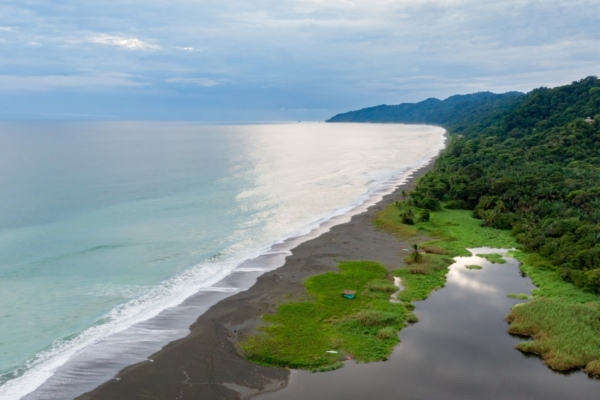
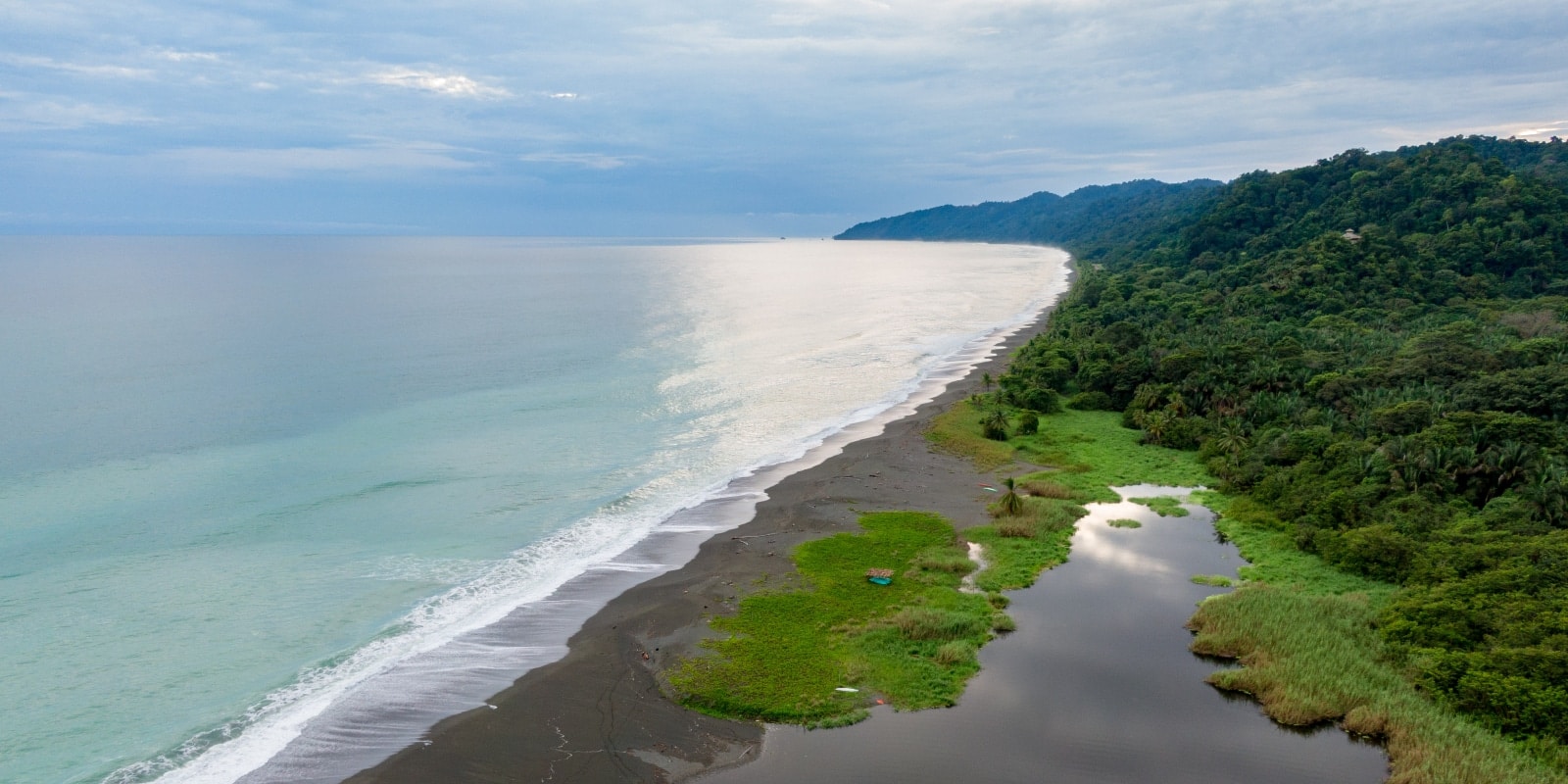
The camps are located near scenic, non-swimming beaches. Due to the presence of dangerous currents, swimming is prohibited at the camp beaches for safety reasons. Designated, safer swimming beaches that are nearby are accessible to interns during scheduled days off.
For reliable communication, it is strongly advised to acquire a local KOLBI SIM card upon arrival in Costa Rica, as it is the only provider with coverage in the remote project area. Interns must ensure their mobile phone is unlocked for international carriers before departure. At camp, very basic and intermittent Wifi is available, powered by the site’s solar energy system; connectivity is not guaranteed as power can be affected by weather and is prioritized for essential operations. For more consistent access, Wifi is available at a few nearby eco-lodges, typically in exchange for a small purchase at their bar/restaurant.
Meals at camp are predominantly vegetarian, with a foundation of rice, legumes such as lentils, beans, and chickpeas, and a variety of fresh fruits and vegetables sourced from the project’s own land, neighboring ‘fincas’, and Puerto Jiménez. The menu also includes eggs and, on rare occasions, meat or fish. This variety of whole foods easily accommodates vegan, vegetarian, gluten-free, and lactose-intolerant diets. On a typical day, breakfast may consist of items like pancakes or gallo pinto, lunch might feature tortillas with beans and vegetables or a pasta dish, and dinner could be chickpeas with spinach or vegetarian burgers.
All interns and volunteers share communal cooking and cleaning duties on a rotating weekly schedule. Those assigned are responsible for preparing lunch and dinner for everyone at camp, fostering a collaborative community environment.
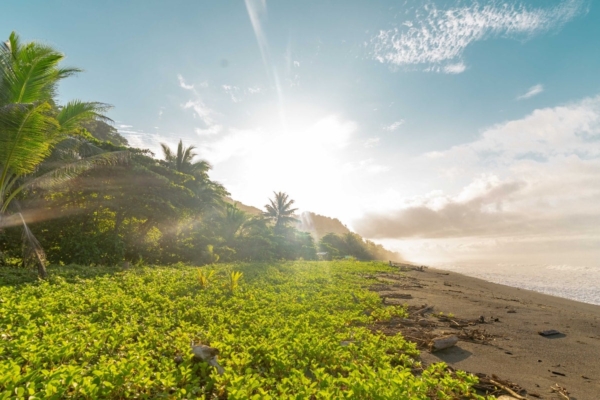
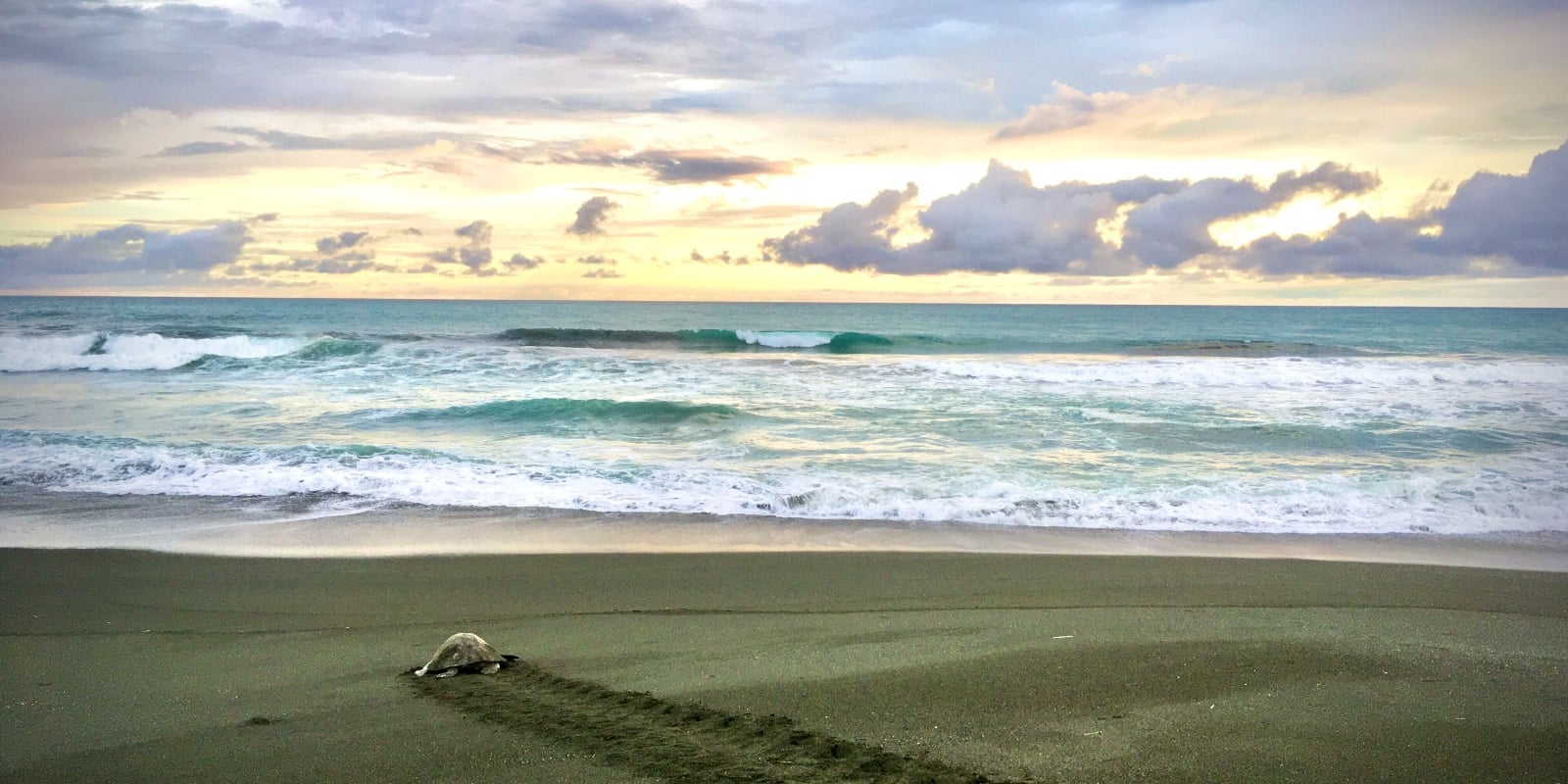
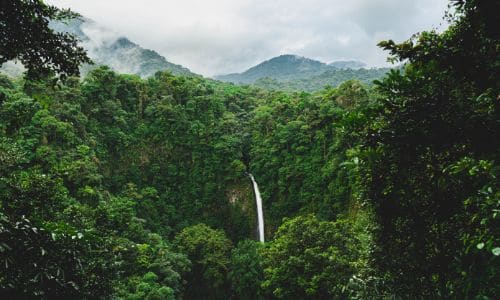
You’ll be based in a rural coastal town, Carate, on the Osa Peninsula of Costa Rica, which is nothing short of a tropical paradise. As well as an impressive variety of turtle species you’ll find a staggering array of flora and fauna here. It is also adjacent to Corcovado National Park, and incredible rainforest and marine areas where you can enjoy horseback riding, waterfall hikes, and whale and dolphin tours. The camp beaches are among the world’s most pristine and wildest, with ocean conditions that are too strong for safe swimming or surfing. Calmer waters for swimming and watersports are available a short distance away in Matapalo.
Participants must be prepared for the profound remoteness of this project. The nearest significant town, Puerto Jiménez, is approximately a two-hour drive away via a rugged road with limited public transport. Once on-site, there are no local shops or facilities beyond lodges/hotels. This isolation requires interns to be fully self-sufficient and both physically and mentally prepared to live and work in a challenging, disconnected environment for the duration of their stay.
Internship arrivals and departures are always on a Monday. Exact start and end dates will be discussed during the selection process.
NOTE: this project is closed yearly from April – June and re-opens in the first week of July
What you’ll pay (2026 rates)
6 weeks USD 2,404
8 weeks USD 2,926
10 weeks USD 3,449
12 weeks USD 3,976
Some of our most commonly asked questions for programs in Costa Rica.
During your internship, you can expect to gain a mix of professional development and cultural exploration. Also, throughout your internship, you’ll gain hands-on experience in your chosen field, collaborating with locals and fellow interns, building relationships and a strong network.
As you engage in meaningful projects that contribute to sustainable development and environmental causes, you’ll gain a sense of purpose and passion for creating a positive change. Also, you’ll get to use and sharpen your professional skills, as well as your interpersonal skills. If you wish to know more about how doing a nonprofit internship is good for your career, make sure to check this blog out!
Yes, but you must ensure with your university supervisor that the internship meets the needed requirements. You can also choose to purchase transfer credits to supplement your internship experience.
Unfortunately, it is not possible to receive any sort of stipend. When interning for a nonprofit organization, you will not be paid, but here are some ways to fund your internship. Your experience will bring opportunities for both professional and personal growth and a wealth of new knowledge which is invaluable!
If you’re ready to apply for this internship, here’s what to do:
Fill in the application form (it will show in a new screen) which includes sharing your CV to us.
We’ll set up a call with you to go through your application.
If we feel it’s a good match, we’ll set up a call between you and the supervisor for this internship.
If everyone’s happy, we’ll provisionally confirm your placement! We’ll then send you the invoice for the deposit, getting started with the booking process and all the info you need.
Only once we receive payment of the deposit your placement will be confirmed.
Or if you’d just like to ask us some questions about this internship first, just fill in the contact form below. We’ll be happy to assist!
"*" indicates required fields




ABOUT US
At Roots, we create the perfect balance between meaningful work and valuable learning through internships with nonprofits & social enterprises in Africa, Asia, Europe, and Latin America.

CONTACT
SOCIAL
ABOUT US
At Roots, we create the perfect balance between meaningful work and valuable learning through internships with nonprofits & social enterprises in Africa, Asia, Europe, and Latin America.
CONTACT
UK: +44 139 269 0255
US: +1 617 500 6179
internship@rootsinterns.com
OFFICE: Cape Town, South Africa
SOCIAL
SIGN UP TO OUR NEWSLETTER
ABOUT US
At Roots, we create the perfect balance between meaningful work and valuable learning through internships with nonprofits & social enterprises in Africa, Asia, Europe, and Latin America.
CONTACT
UK: +44 139 269 0255
US: +1 617 500 6179
internship@rootsinterns.com
OFFICE: Cape Town, South Africa
SOCIAL
SIGN UP TO OUR NEWSLETTER