CONSERVATION RESEARCH INTERNSHIP IN SOUTH AFRICA

PROGRAM OVERVIEW

Learn how to conduct scientific conservation research through hands-on experience in South Africa’s diverse ecosystems

Based in rural South Africa, this Conservation Research Internship provides an immersive opportunity to gain practical experience in applied environmental research. Designed for individuals eager to learn how science operates beyond the classroom, interns will get to execute an independent study, gaining hands-on experience in scientific examination, data collection, and interpretation.

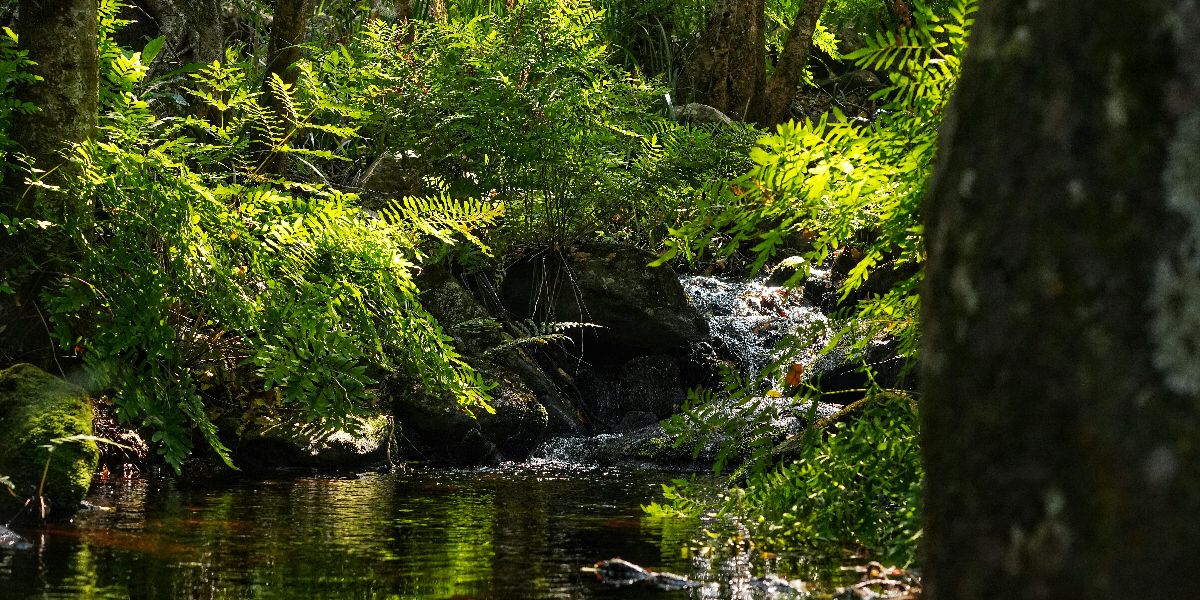
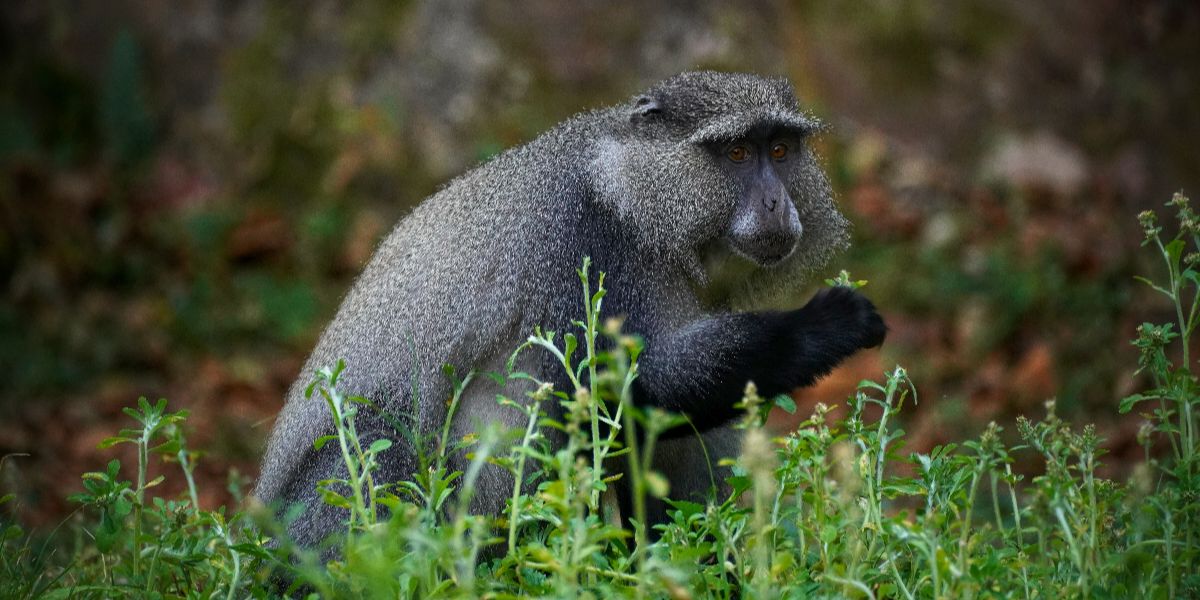
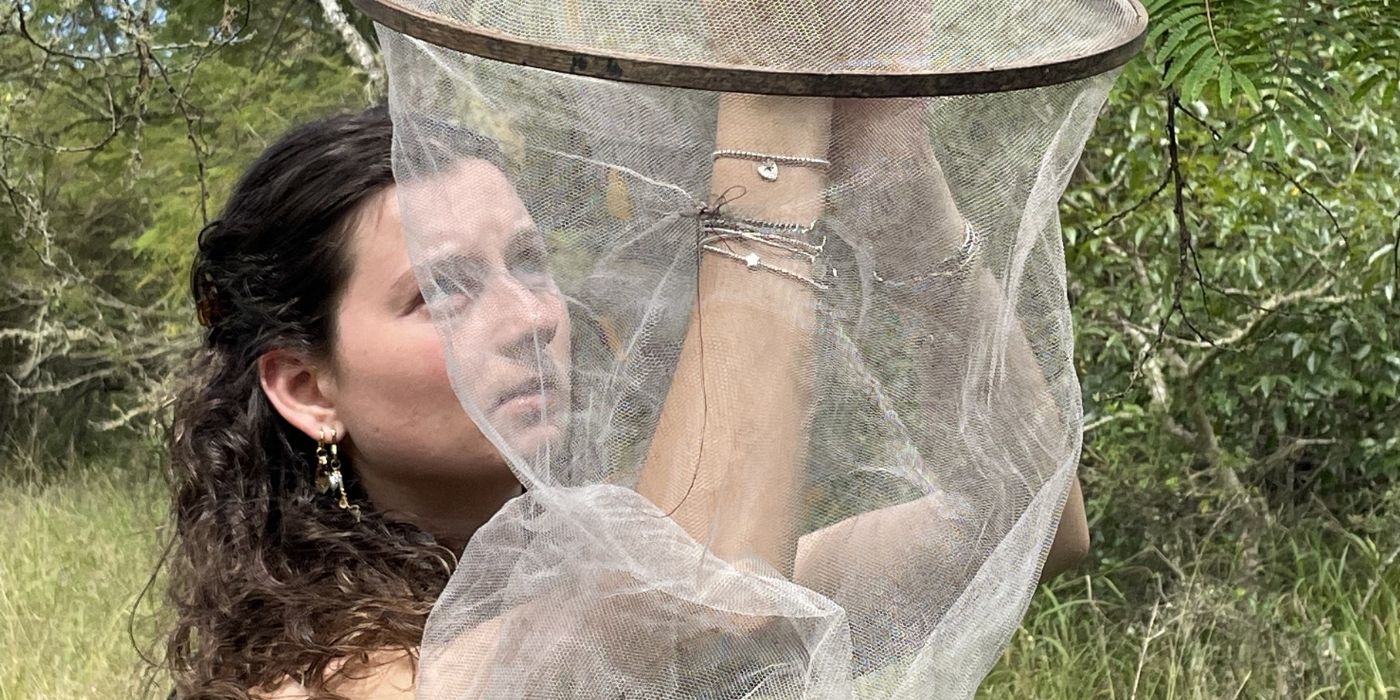
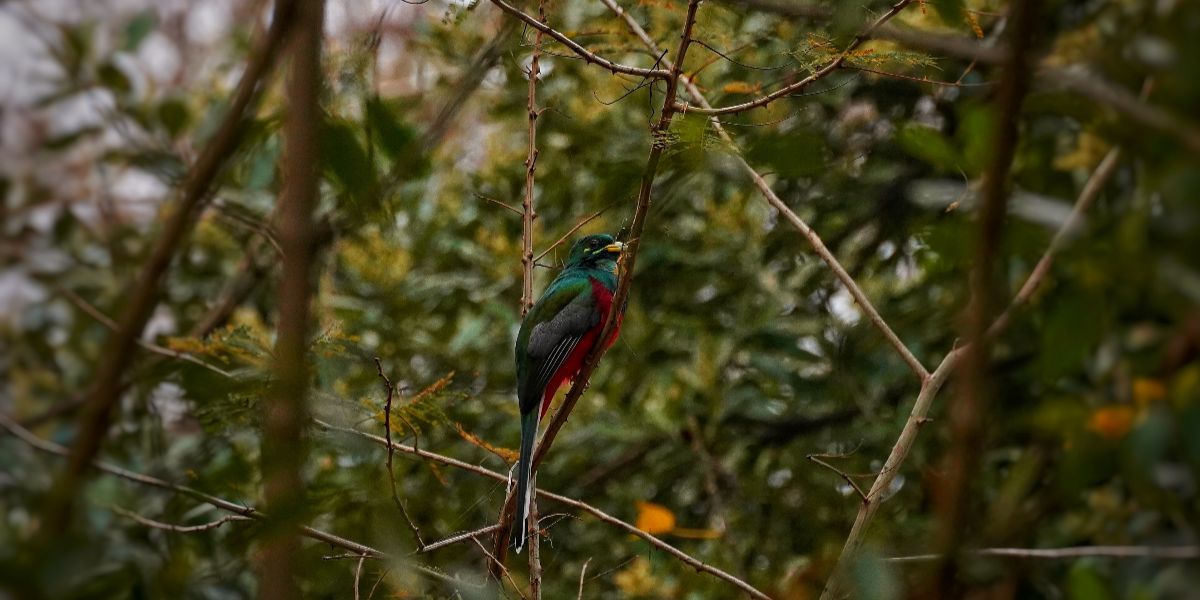
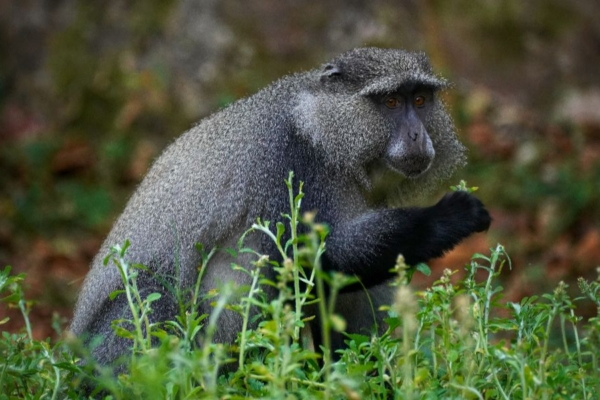
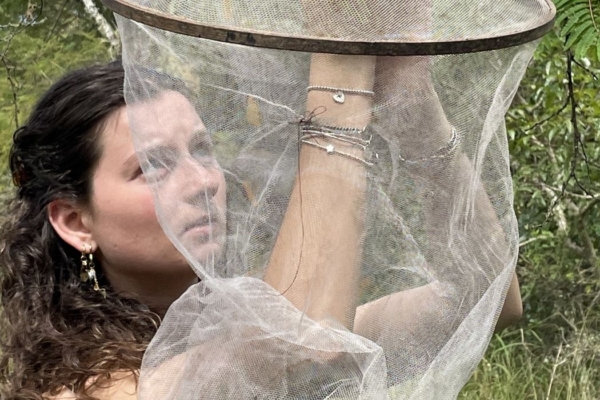
Research interns can contribute to one of seven projects involving Primates, Predators, Birds, Reptiles, Vegetation, Butterflies, or Small Mammals, each supporting long-term biodiversity assessment. You will work alongside on-site researchers, field assistants, academic partners, and students providing a collaborative team with individual ownership of each project. Surrounded by the Soutpansberg Mountains, the remote location offers a deep dive into local ecosystems conducting all research and fieldwork on foot throughout the reserve.

Learning Objectives

  • Develop technical skills in conservation and biodiversity research
  • Learn to analyze ecological survey data using scientific methods
  • Design and implement a small-scale independent environmental research project
  • Gain hands-on experience in documenting and organizing information

ORGANIZATION

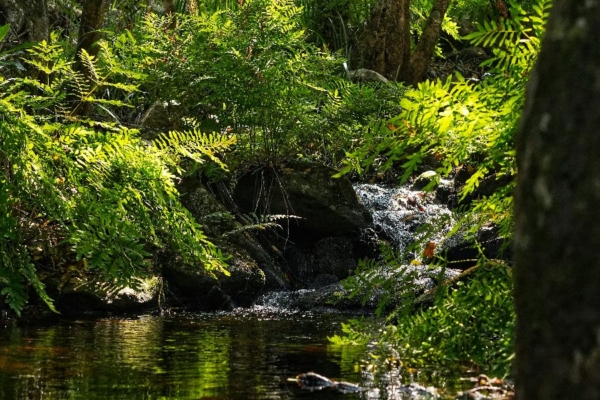
Located in a remote mountain landscape in South Africa, this organization supports applied research and environmental education by fostering teamwork among students, researchers, and academic institutions from all around the world. It accommodates both independent and joint projects within a UNESCO Biosphere Reserve, making it a valuable opportunity for biodiversity surveys and long-term environmental monitoring. This secluded setting encompasses forests, grasslands, and freshwater habitats, providing a natural laboratory for field-based ecological research with findings shared through academic and conservation networks. Through a strong emphasis on a combination of hands-on experience in fieldwork and guided mentorship, the participants contribute to meaningful scientific and conservation-focused outcomes.

TASKS & REQUIreMENTS

Interns will follow a flexible research structure shaped by their interests and academic goals. This offers a customizable research experience depending on your background, project selection, and seasonal research priorities. You can expect early mornings or late nights to align with peak data collection times for your specific research.

Projects include Primate, Predator, Bird, Reptile, Vegetation, Butterfly, and Small Mammal research within the reserve. It’s important that all research is done on foot, so you must be physically and mentally prepared for manual tasks in nature.

What You’ll Do

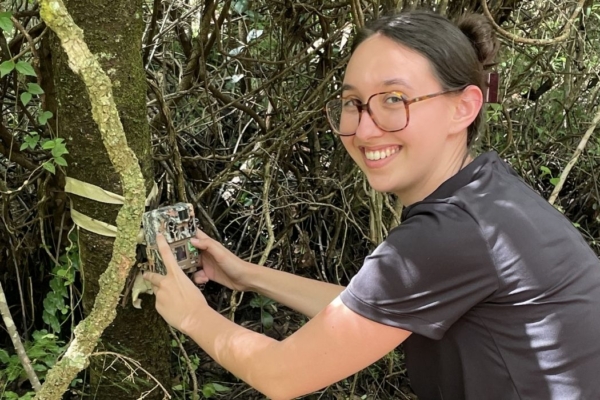
  • Participate in daily fieldwork and ecological surveys
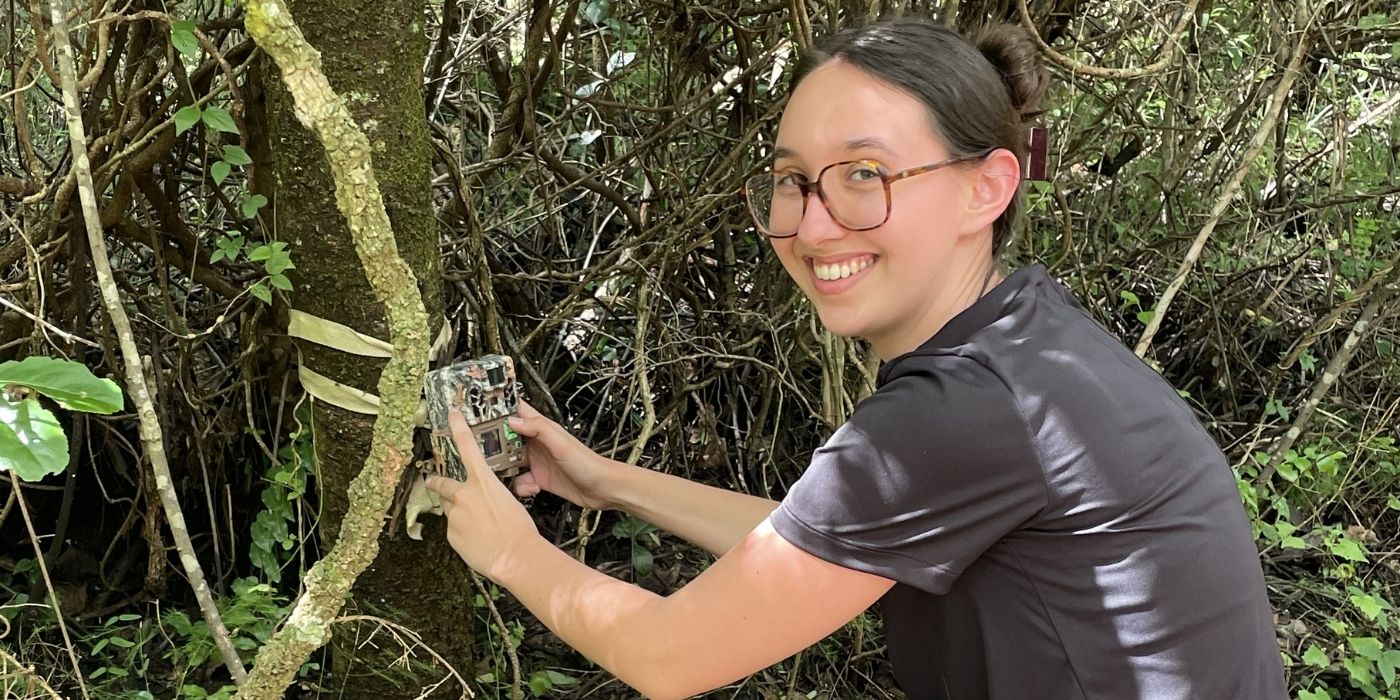
  • Observe and record animal behavior, movement patterns, and habitat use
  • Assist with data entry and basic analysis
  • Plan and implement a small-scale independent research project
  • Follow safety and ethical protocols during all research activities
  • Engage with a team of students, researchers, and field specialists
  • Learn how to conduct successful scientific ecological research

Requirements

  • Interest or relevant studies in conservation, ecology, biology, or environmental sciences
  • Willingness to take initiative and work independently when required
  • Ability to follow research protocols and safety guidelines in the field
  • Enthusiasm and a proactive attitude toward scientific learning
  • Basic organizational skills for recording and managing field data
  • IMPORTANT: Physically fit to walk up to 10km in a day
  • IMPORTANT: Mentally fit to live in a remote environment

WHERE YOU’LL STAY

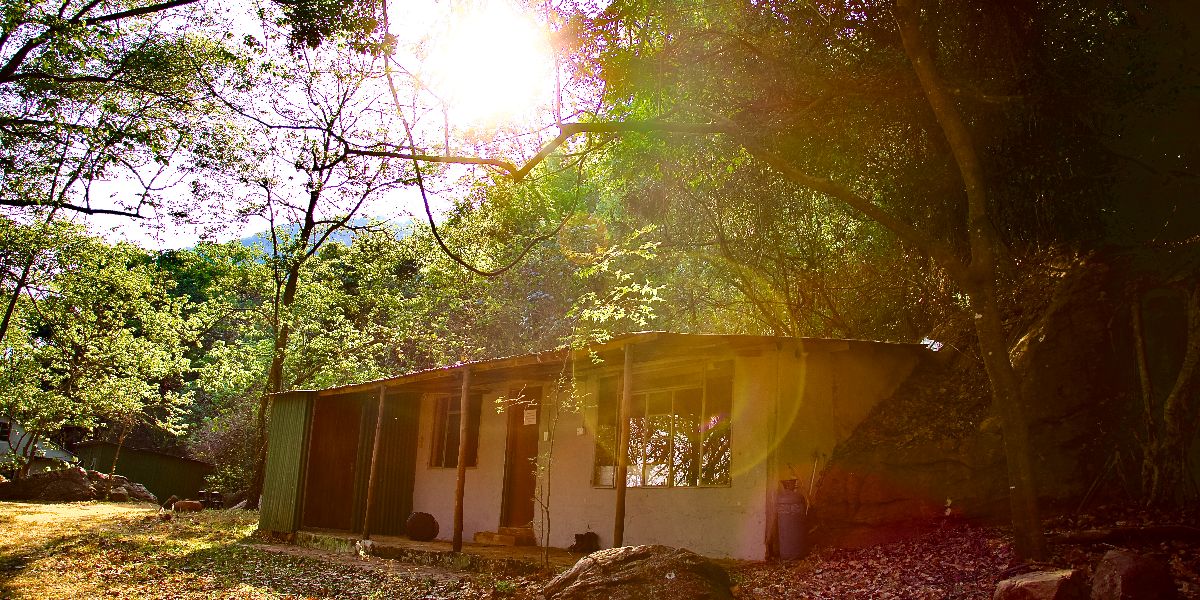
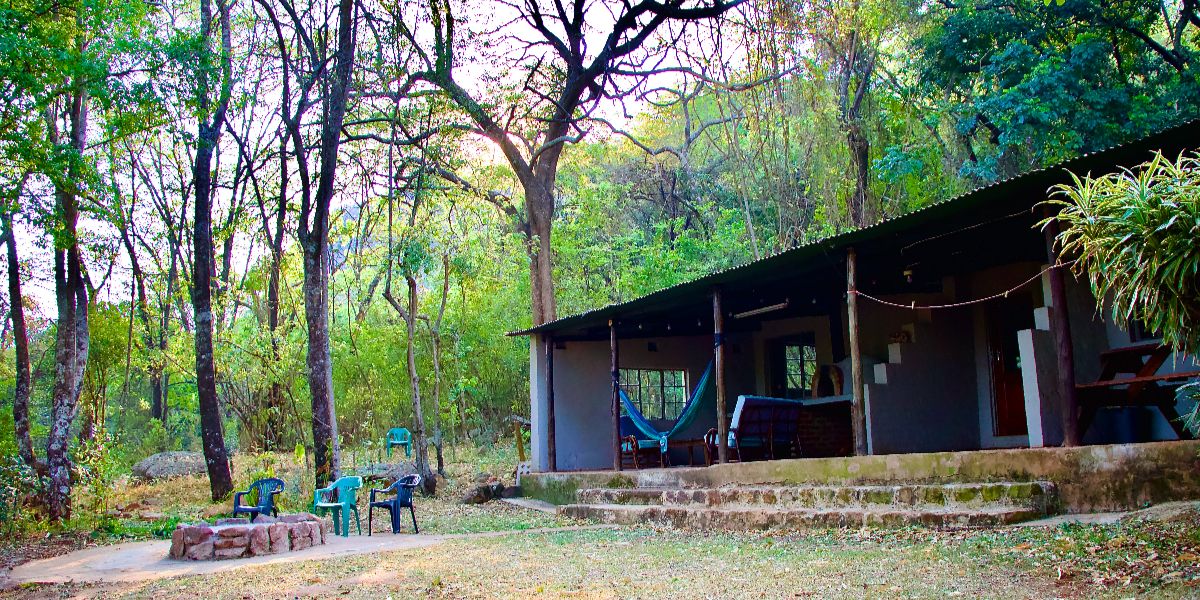
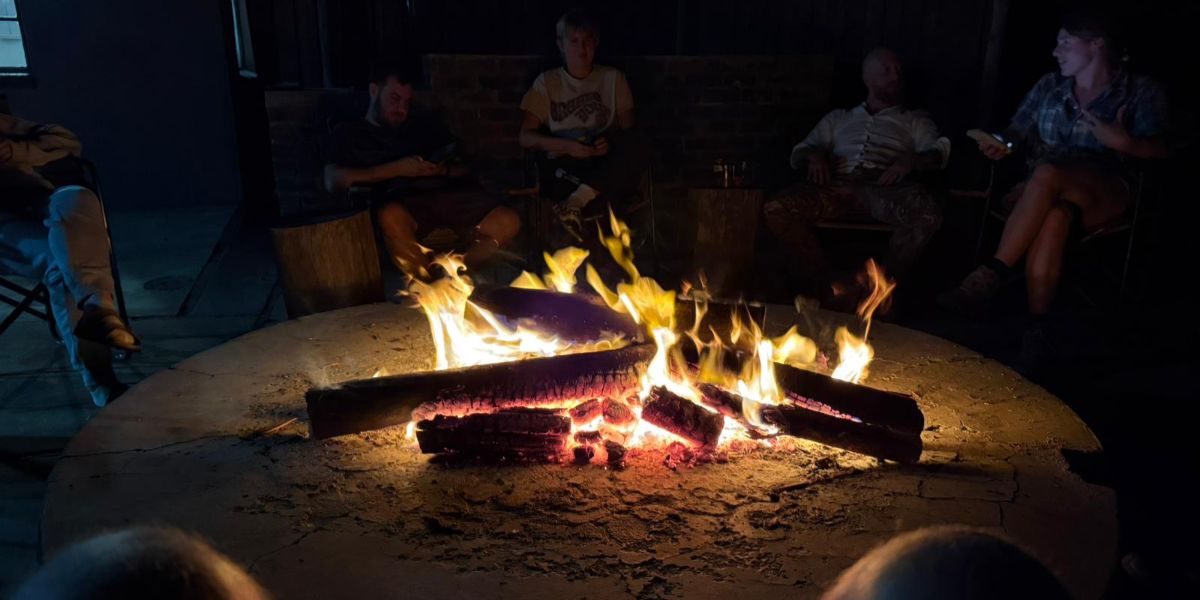
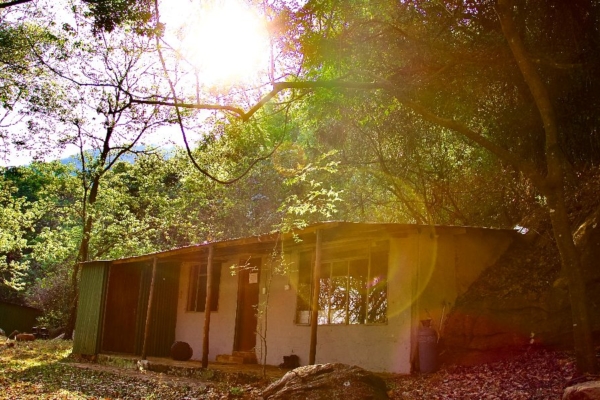
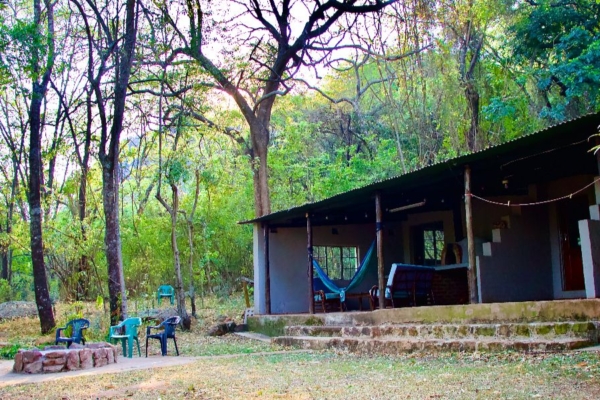
Accommodation is provided on-site at the research center in shared rooms at the Barn, with bathrooms (private or communal), a kitchen, living areas, and a workspace. Bedding and towels are included, though interns should bring their own toiletries, especially any specific items or medications as these can be difficult to procure in the area. Outdoor facilities feature a braai, patio, and pizza oven to enjoy with fellow researchers. Located in a remote mountain reserve, living and working here requires interns to be both physically fit and mentally prepared for fieldwork immersed in the wild.

Safety & Support

Safety & Support

Be sure to visit your doctor and dentist for a check-up before your internship and obtain all recommended vaccines and/or medications to stay healthy. While on this remote project site, you will have 24/7 support from the on-site team in case of emergencies. They will also provide guidance on safety measures for the area and any local wildlife to be aware of. As an intern, it is essential to show respect for local wildlife, cultures, and customs.

Given the remote location of this project, you must be physically prepared to handle the challenging conditions of living and working on the mountain. It is equally important to be mentally ready, adaptable, and able to live and work closely with the same group of people in a remote environment.

Communication

Communication

Interns can access Wifi in communal areas, but reception is limited. For additional connectivity, ensure your phone is unlocked and consider a local or international e-SIM. It is recommended to buy a local South African SIM card at the airport, with MTN offering the best coverage nearby. A shared Lajuma Student WhatsApp group is used for communication, updates, and safety check-ins throughout the internship.

Meals

Meals

Meals are not provided, and students are responsible for buying and preparing their own food. “Town days” take place once every two weeks, usually on Thursdays, when students are transported to Makhado Crossing Mall in Louis Trichardt to shop for food, toiletries, medicine, and other essentials. Students must plan ahead and purchase enough supplies to last two weeks, as shopping trips run on a rotating schedule, and students coordinate among themselves who will attend each trip. Those not scheduled may ask fellow students to purchase items for them.

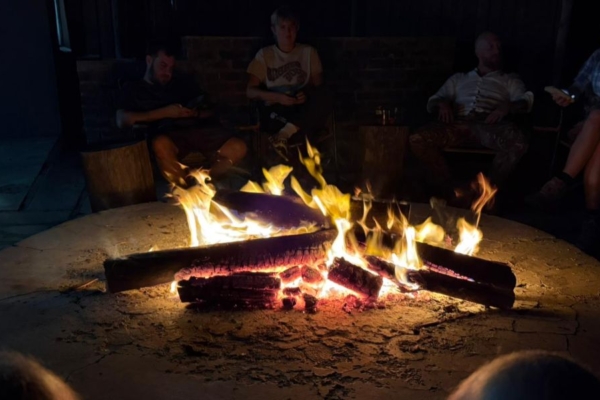
Makhado Crossing is about a one-hour drive from the research camp, so thorough planning is essential. Drinking water comes from natural mountain springs and is safe to consume. Hot water is provided via a traditional donkey system, where students maintain a fire beneath a water tank. Please inform the Roots team in advance of any allergies or dietary restrictions so necessary arrangements can be made.

Location details

Location details

The research centre is located in the Soutpansberg Mountain Range, approximately 45 km from the nearby town of Louis Trichardt, where essential services and shopping facilities are available. The area is known for its remarkable biodiversity and landscapes. On weekends, interns can explore local hiking trails, waterfalls, and surrounding reserves, or travel further to destinations such as Kruger National Park and other regional attractions.

DATES & RATES

Fee Breakdown

Arrival dates are every other Thursday and will be shared with you during the application process.

What you’ll pay (2026 rates)

8 WEEKS EUR 2,099

12 WEEKS EUR 2,814

16 WEEKS EUR 3,529

20 WEEKS EUR 4,244

26 WEEKS EUR 5,316


Inclusions

  • Careful matchmaking. It takes time to find the right internship for each person, and we take this process very seriously.
  • Initial interview with one of our team to gauge your skills, interests, and desired learning outcomes.
  • An academic internship eligible for university credit. Check with your university to confirm if this internship qualifies for credit or alternatively we can assist you with purchasing transfer credits.
  • Accommodation in a shared room (2-3 pax)
  • Transport to/from Louis Trichardt and the research center upon arrival and departure
  • Wifi access
  • Housekeeping service
  • Project equipment and research materials
  • Guidance with your visa arrangement and other preparations
  • Development of an Internship Work Plan to help you reach your learning goals
  • An orientation program with your supervisor
  • Regular check-ins during your internship
  • Support from the Roots team remotely
  • A certificate of completion at the end of your internship
  • A reference letter upon request

Exclusions

  • Flights to OR Tambo International Airport on a WEDNESDAY before 10H00
  • Visa and medical/travel insurance costs for the duration of your placement – must include cover for repatriation
  • Airport transfers upon arrival and departure (Johannesburg – Louis Trichardt), we will provide details for the shuttle service
  • One night accommodation in Louis Trichardt (Wednesday arrival night)
  • Meals
  • Drinks, snacks, and items of personal nature (f.e. curios, gifts, clothing)
  • Costs for additional excursions or activities
SCHOLARSHIP & FUNDING

FAQs

Some of our most commonly asked questions for programs in South Africa.

What can I expect to gain from this Conservation Research Internship?

Research interns will gain hands-on experience in conservation research, ecological monitoring, data collection, fieldwork skills, and exposure to real-world environmental projects.

Who can apply for this internship in South Africa?

Any student, recent graduate, researcher or an early-career professional with an interest in conservation, ecology, or environmental studies can apply for this Conservation Research Internship in South Africa

Is this Conservation Research Internship in South Africa eligible for university credit?

Yes! This Research internship qualifies for university credit. Confirm requirements with your university and reach out to the Roots team for help with transfer credits.

QUICK FACTS

LOCATION: Vivo, South Africa
PROGRAM FOCUS: Conservation NGO
TASK FOCUS: Conservation Research, Ecological Studies, Monitoring
LENGTH: Min. 8 weeks
COST: From EUR 2,099

HIGHLIGHTS

  • Explore South Africa’s mountain ecosystems and diverse wildlife
  • Contribute to meaningful ecological and conservation research projects
  • Enhance problem-solving and critical thinking skills
  • Collaborate with experienced researchers and local communities
  • Immerse yourself in a remote setting, gaining unique in-field experience
ENQUIREAPPLY NOW

HOW TO APPLY

If you’re ready to apply for this internship, here’s what to do:

APPLY

Fill in the application form (it will show in a new screen) which includes sharing your CV to us.

GET STARTED

SPEAK WITH AN ADVISOR

We’ll set up a call with you to go through your application.

INTERNSHIP MATCHING

If we feel it’s a good match, we’ll set up a call between you and the supervisor for this internship.

PAYMENT

If everyone’s happy, we’ll provisionally confirm your placement! We’ll then send you the invoice for the deposit, getting started with the booking process and all the info you need.

CONFIRMATION

Only once we receive payment of the deposit your placement will be confirmed.

NEED TO MAKE AN ENQUIRY FIRST?

Or if you’d just like to ask us some questions about this internship first, just fill in the contact form below. We’ll be happy to assist!

"*" indicates required fields

Step 1 of 2

Your Personal Information

Your Email Address*

RELATED PROGRAMS

Green parrots perched on rainforest leaves in Peru.

Open for applications

Conservation Internship

  • 12 weeks
  • Manu Biosphere Reserve, Peru
  • Conservation, Research, Monitoring, Education
Gain field experience researching and monitoring the flora and fauna of the Amazon Rainforest
Find out more
Participants in Lilongwe on top of a rock in front of a setting sun.

Open for applications

Wildlife Research Program

  • Min. 2 weeks
  • Liwonde National Park, Malawi
  • Monitoring, Tracking, Identification, Data Entry, Camera Trapping
Contribute to conservation through data collection and species monitoring while working alongside expert researchers in a biodiverse ecosystem.
Find out more
A lioness rests on a grassy landscape.

Open for applications

Wildlife Monitoring & Conservation Internship

  • Min. 2 weeks
  • Maasai Mara, Kenya
  • Wildlife Observation, Ecological Studies, Data Evaluation, Habitat Preservation
Take part in conservation projects focused on wildlife monitoring and sustainability, working to protect Kenya’s unique ecosystems and biodiversity.
Find out more

RELATED BLOGS

Four little buildings with different color on a beach in Cape Town. Intern experiencesPsychology and Social WorkSouth AfricaSummer InternshipsLessons Learned from a Psychology Internship in South Africa
April 24, 2025

Lessons Learned from a Psychology Internship in South Africa

“This opportunity aligned perfectly with my career goals and allowed me to contribute to a meaningful cause while gaining insight into trauma-informed care in a real-world setting.” - Zarah, University…
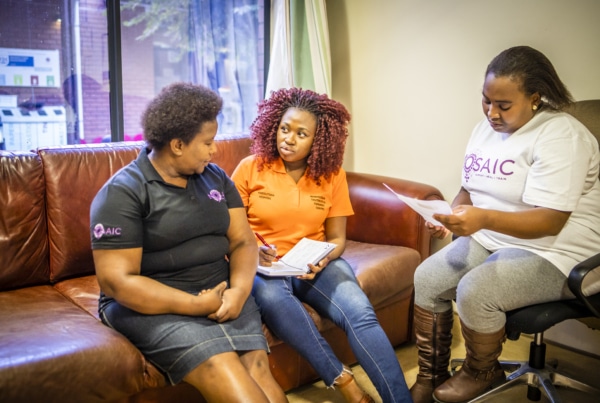
Mosaic 1 Gender EqualityIntern experiencesSouth AfricaLessons Learned from a Gender Equality Internship
February 7, 2025

Lessons Learned from a Gender Equality Internship

 “When I first learned about gender equality, the focus was predominantly on women. However, my internship emphasized the significance of also fostering safe spaces for men, allowing them opportunities to…
Smiling photography intern pointing at a display in Cape Town Intern experiencesPhotographyProjekt UbuntuSouth AfricaImpact Made During a Photography Internship in Cape Town
September 24, 2024

Impact Made During a Photography Internship in Cape Town

"Experiences like these shape my perspective for my profession as an artist, and personally as a man, and I am eternally grateful for it". - Sam, Coventry University The impact…